In 2026, launching an ecommerce business is easier than ever. Launching a profitable one is not.
Many founders still start by asking what is Ecommerce? then move directly into picking tools and uploading products. But success today depends on preparation, structure, technical setup, ecommerce seo, platform decisions, and conversion-focused execution.
Before you hit publish, here is everything you must validate.
1. Clarify Your ecommerce business Model Before Building
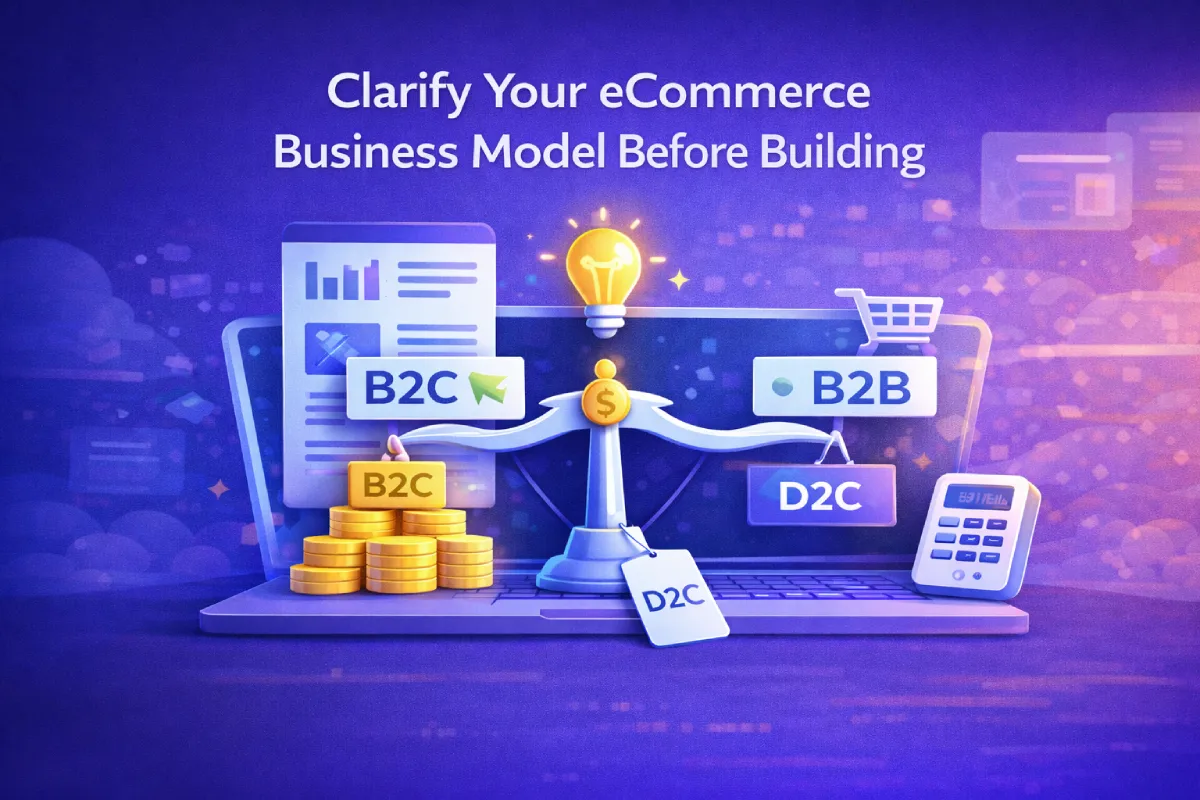
Before choosing an ecommerce platform or hiring a designer, you must define what type of ecommerce business you are building.
Are you operating:
- Direct-to-consumer?
- Subscription-based?
- Marketplace?
- b2b Ecommerce focused?
A b2b Ecommerce structure requires different pricing systems, account roles, bulk ordering logic, and gated access compared to a retail ecommerce website.
Your ecommerce and revenue model determines everything from checkout flow to CMS structure.
If this foundation is unclear, no ecommerce website builder will save you later.
2. Choosing the Right ecommerce platform in 2026
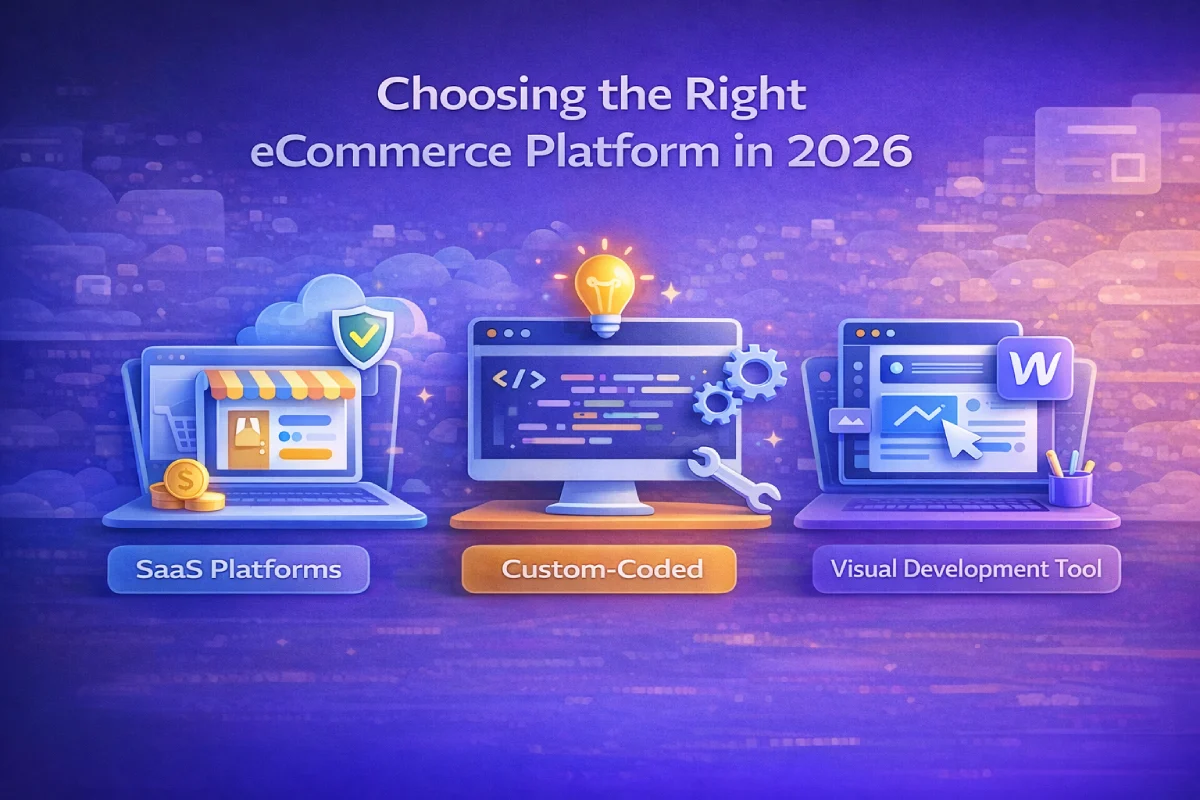
Your ecommerce platform affects:
- Performance
- SEO scalability
- Design flexibility
- Ongoing maintenance cost
Many founders compare platforms without understanding long-term impact. Common evaluations include:
- Traditional CMS solutions
- SaaS platforms
- Visual development systems
Some compare Webflow vs Wordpress to evaluate flexibility vs plugin ecosystems. Others research what is Webflow to understand visual development capabilities.
However, before committing, ensure:
- Product collections are scalable
- Shipping and tax logic are validated
- Payment gateways are region-supported
- CMS architecture is clean
Choosing the wrong ecommerce platform creates SEO limitations, slow performance, and scaling headaches.
3. Custom Website Design Ecommerce vs Template Approach
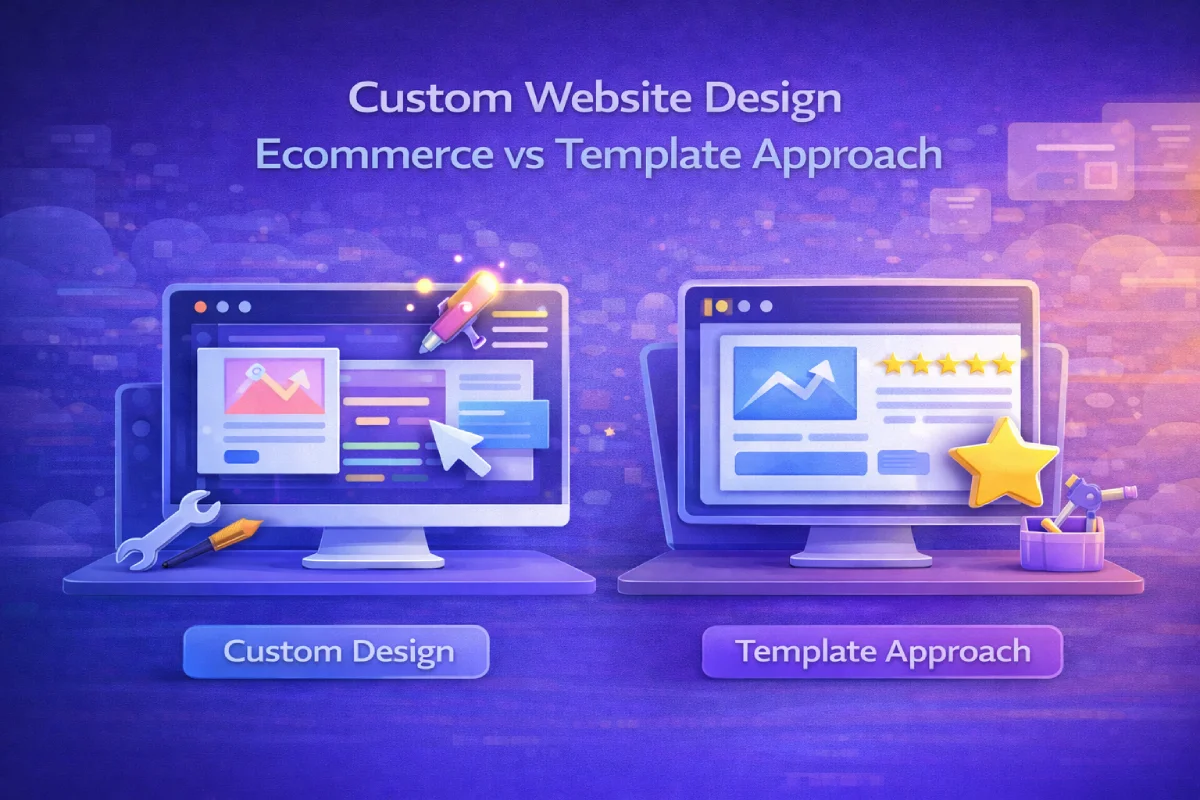
In 2026, design is no longer decoration. It is conversion infrastructure.
You may choose:
- custom website design ecommerce
- Or optimized webflow templates
- Or a premium webflow template
Templates reduce cost and speed up launch, but require proper customization. Custom builds offer full flexibility but require stronger UX strategy.
Before launch, validate:
Homepage Clarity
Is your value proposition clear in 3 seconds?
Product Pages
Are product benefits structured clearly?
Are reviews visible?
Is trust built instantly?
Checkout
Is friction minimized?
Are form fields optimized?
Even the best ecommerce website will fail without psychological clarity.
4. Figma to Webflow: Design Translation Matters
If your store design is created in Figma, the transition from figma to webflow must be handled carefully.
Common mistakes include:
- Inconsistent spacing
- Broken responsiveness
- Interaction mismatches
- Overloaded animations
Whether you use a webflow agency or internal developers, confirm your ecommerce webflow build maintains design accuracy and performance standards.
5. Ecommerce seo: Non-Negotiable in 2026
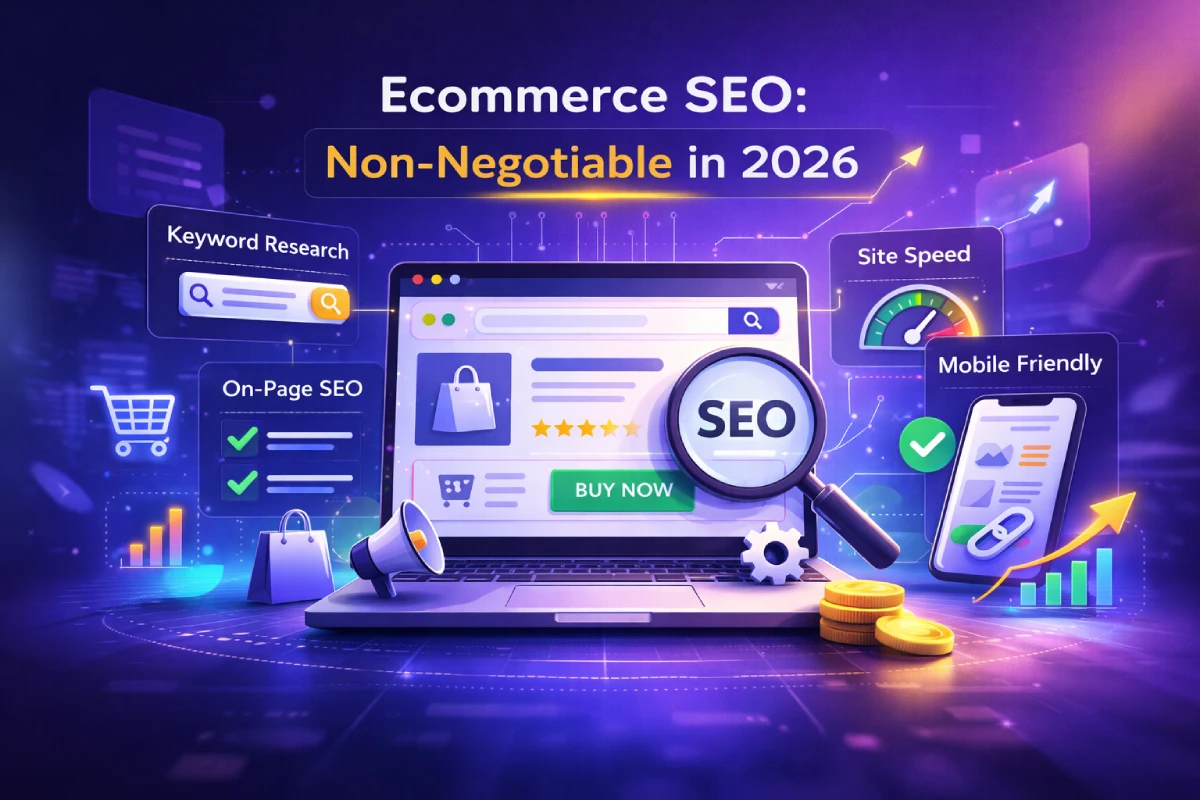
Without ecommerce seo, your ecommerce business depends entirely on paid ads.
Before launching your ecommerce website, confirm:
- Optimized meta titles and descriptions
- Structured product schema
- Clean URL architecture
- Mobile responsiveness
- XML sitemap configuration
Search engines prioritize performance, structure, and clarity.
Your ecommerce seo strategy should be integrated from day one, not patched later.
6. Mobile-First Ecommerce Website Experience

Most ecommerce and shopping behavior now happens on mobile devices.
Test:
- Navigation simplicity
- Product filtering usability
- Checkout completion ease
- Load time on slower networks
A slow mobile ecommerce website destroys conversion rate.
7. Ecommerce Website Builder Reality Check
If you chose an ecommerce website builder based purely on marketing promises, revisit your decision.
Ask:
- Can it scale with 1,000+ products?
- Does it allow structured CMS control?
- Is SEO technically flexible?
- Can it support b2b ecommerce workflows?
Not every ecommerce website builder is built for growth.
8. Webflow Agency vs DIY Launch
Many founders attempt full DIY launches. But advanced ecommerce webflow setups require:
- CMS architecture planning
- Technical SEO structuring
- Performance optimization
- Checkout flow logic
Partnering with a specialized webflow agency ensures technical mistakes do not block future scaling.
9. Webflow vs Wordpress for e-commerce in 2026
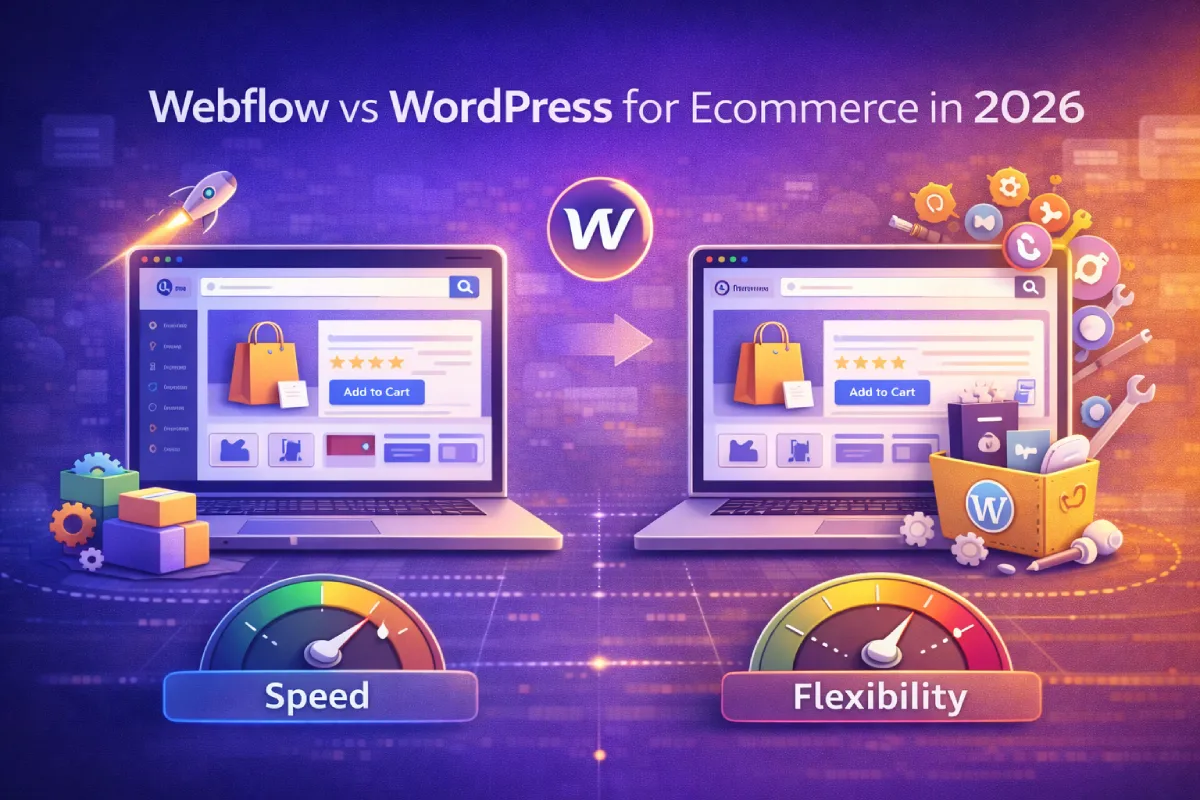
The webflow vs wordpress debate continues in 2026.
WordPress offers plugin ecosystems and flexibility.
Webflow offers structured visual development, cleaner code output, and strong performance.
The right decision depends on:
- Team skill level
- Growth roadmap
- Maintenance capacity
- Design flexibility needs
Understanding what is webflow helps clarify whether visual development fits your business model.
10. Technical & Legal Validation Before Launch
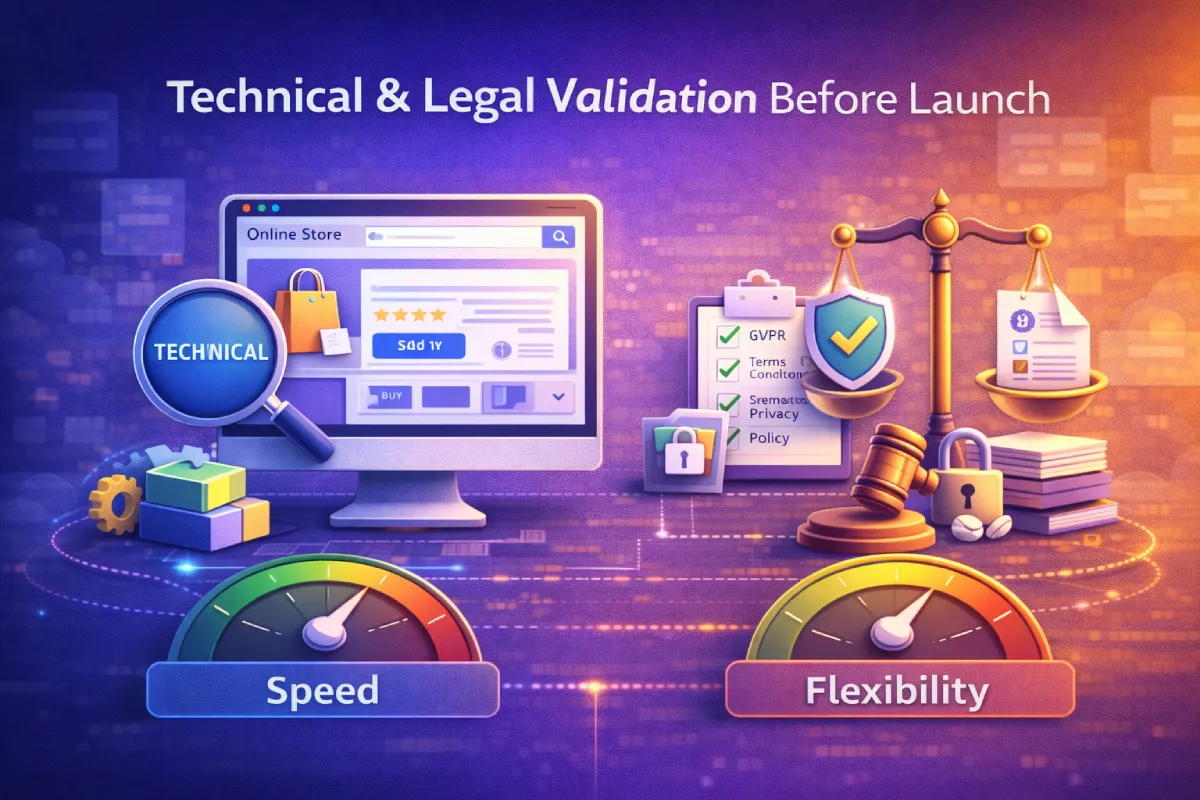
Before going live:
- SSL certificate active
- Payment gateways tested
- Refund policies published
- Privacy policies visible
- Tax calculations verified
Security and compliance protect your ecommerce business from future risk.
How Flowfye Supports Your ecommerce website Launch
Launching correctly requires both design intelligence and technical execution.
UI/UX Design for ecommerce
We design conversion-focused ecommerce website experiences built around:
- Clear user journeys
- Strategic product storytelling
- Mobile-first structure
- Trust-driven design elements
Whether you require custom website design ecommerce or structured optimization of webflow templates, we ensure design supports measurable growth.
Webflow Development & ecommerce webflow Execution
As a specialized webflow agency, Flowfye delivers:
- Complete webflow ecommerce setup
- Advanced ecommerce webflow CMS structuring
- figma to webflow implementation
- ecommerce seo optimization
- Performance-focused webflow for ecommerce builds
- Platform migration support
If you are building ecommerce with webflow, we ensure your structure scales without compromising performance.
Final Thought: Launching an ecommerce business in 2026 Requires Precision
An ecommerce website is not just a digital storefront. It is a conversion engine.
Before launching, review your:
- ecommerce platform
- ecommerce seo setup
- b2b ecommerce structure if applicable
- webflow ecommerce implementation
- Custom design accuracy
- Technical performance
In 2026, the difference between average and exceptional ecommerce business results lies in preparation.
Do not just launch.
Launch ready

